Want an easy way to create the perfect charcuterie board every time?
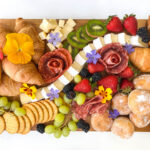
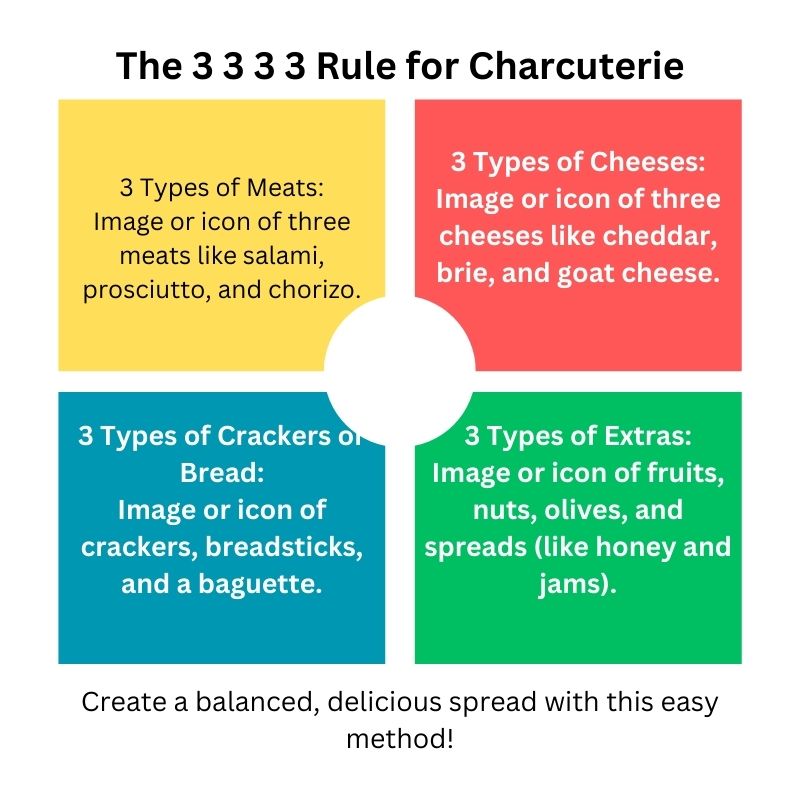
The 3 3 3 3 method is a simple yet effective method for achieving a well-balanced and visually appealing spread. This approach involves selecting three cheeses, three meats, three accompaniments, and three types of bread or crackers, ensuring a diverse mix of flavors, textures, and colors. By following this guideline, you can effortlessly assemble a stunning and delicious charcuterie board.
Looking for specific charcuterie board ideas? See our favorite board ideas or see the most common charcuterie board mistakes.
Hi, I’m Gretchen - creator of Amazing Charcuterie Boards. I help home hosts and beginners create beautiful, stress-free charcuterie boards with simple rules, realistic portions, and easy styling techniques.

If you’re planning your next board, you may also find these helpful:
→ Charcuterie Board Portion Calculator
→ How to Design a Charcuterie Board (simple rules & layouts)
→ The Best Charcuterie Board Pairings

Want more board ideas and planning guides? Join my free newsletter here or search ideas.

Understanding Charcuterie Boards
A charcuterie board is a thoughtfully arranged selection of meats, cheeses, and accompaniments designed for sharing. Originating from the French tradition of curing and preparing meats, charcuterie dates back to the 15th century as a method of preservation. Over time, it has become a symbol of culinary artistry and regional flavors. Today, charcuterie boards have evolved into a versatile and visually stunning centerpiece for social gatherings, offering a delicious way to enjoy a variety of flavors and textures.
Read about the History of the Charcuterie Board.
How to Use the 3 3 3 3 method for charcuterie board design?
The 3-3-3-3 rule is an easy yet effective way to create a balanced and visually appealing charcuterie board. This method suggests including three cheeses, three meats, three accompaniments, and three types of bread or crackers, ensuring a diverse mix of flavors, textures, and colors that enhance the overall experience for guests.
Three Cheeses
A well-rounded cheese selection adds variety and depth to your board. Aim for a mix of textures and flavors by choosing:
- One soft cheese (e.g., Brie, Camembert) for a creamy contrast.
- One hard cheese (e.g., Cheddar, Manchego) for a firm, sharp bite.
- One aged or blue cheese (e.g., Gouda, Gorgonzola) to add complexity and boldness.
Three Meats
A trio of meats ensures a flavorful and satisfying charcuterie board. Consider a mix of:
- Cured meats like salami for a classic, savory touch.
- Smoked meats such as prosciutto for depth and richness.
- Pâtés or spreads like liver mousse for added texture and variety.
Three Accompaniments
Accompaniments provide contrast and balance, enhancing the board with sweet, salty, and tangy flavors. Choose from:
- Fruits (e.g., grapes, figs) for natural sweetness.
- Nuts (e.g., almonds, walnuts) for crunch and earthiness.
- Pickled items (e.g., cornichons, olives) to add a zesty bite.
Three Types of Bread or Crackers
A selection of bread and crackers completes the board by offering the perfect base for meats and cheeses. Include:
- Baguette slices for a classic, chewy texture.
- Whole grain crackers for a hearty, nutty crunch.
- Flatbreads for a light and crisp option.
By following the 3-3-3-3 rule, you can effortlessly assemble a charcuterie board that is not only visually stunning but also a delight to eat, ensuring a well-balanced mix of flavors and textures for any occasion.
Flexibility
The 3-3-3-3 rule is a great starting point, but it’s also flexible and can be adjusted based on personal preferences and available ingredients. If you have a favorite cheese or a unique meat you’d like to feature, don’t hesitate to make substitutions. The key is to maintain a balance of flavors, textures, and colors that are both delicious and visually appealing. Think of this rule as a guide rather than a strict formula—it’s meant to inspire creativity and help you craft a charcuterie board that suits any occasion or theme.

Tips and Tricks for a Perfect Charcuterie Board
Creating a stunning and delicious charcuterie board doesn’t have to be complicated! Follow these tips and tricks to make your board visually appealing, well-balanced, and easy to enjoy.
1. Start with a Plan
- Choose a theme or flavor profile (e.g., classic European, Mediterranean, seasonal).
- Consider the number of guests to determine portion sizes.
- Use the 3-3-3-3 rule (three cheeses, three meats, three accompaniments, three breads/crackers) for balance.
2. Select a Variety of Textures and Flavors
- Cheese: Include soft, hard, and aged varieties for contrast.
- Meats: Mix cured, smoked, and spreadable options for depth.
- Accompaniments: Choose a balance of sweet, salty, and tangy items (fruits, nuts, pickles, honey, or mustard).
- Crackers and Bread: Offer different textures like crispy crackers, crusty baguette slices, and soft flatbreads.
3. Arrange for Visual Appeal
- Start with larger items (cheeses, meats) and build around them.
- Fold or roll meats for a decorative touch and easy serving.
- Use small bowls or jars for spreads, dips, or loose items like nuts and olives.
- Fill gaps with fresh herbs, berries, or edible flowers for a polished look.
4. Keep Portions and Pairings in Mind
- Offer about 2 oz of cheese and meat per person for an appetizer board.
- Arrange complementary flavors next to each other (e.g., blue cheese with honey, prosciutto with figs).
- Provide a variety of textures so each bite feels different and exciting.
5. Serve at the Right Temperature
- Let cheeses sit at room temperature for 30 minutes before serving to enhance flavor.
- Keep cold meats and spreads chilled until just before serving.
6. Make It Easy to Eat
- Pre-slice or crumble hard cheeses for easy grabbing.
- Include cheese knives, small tongs, and toothpicks to avoid messy hands.
- Offer plates and napkins to keep things tidy.
7. Customize for the Occasion
- Add seasonal elements like cranberries in winter or fresh peaches in summer.
- Theme the board for holidays (e.g., a red-and-green spread for Christmas).
- Create individual charcuterie cups or mini boards for easy serving at larger events.
By following these simple tips, you’ll create a charcuterie board that’s as delightful to look at as it is to eat—perfect for any gathering!
Looking for more charcuterie board design ideas? Follow us on Instagram.