A charcuterie board looks simple. Arrange some meats, add a few cheeses, scatter some crackers: done, right? Not quite. Anyone who has pulled off a truly stunning spread knows there’s a quiet art to it, and a handful of very common mistakes can take a beautiful board from “wow” to “meh” in seconds. We’ve all seen amazing photos of boards as well as some that just don’t quite impress in the same way. Some of these mistakes are about presentation and others are about the taste!
Whether you’re hosting a dinner party, building boards for clients, or just leveling up your hosting game, here are the five mistakes most people make and exactly how to avoid them.
Hi, I’m Gretchen - creator of Amazing Charcuterie Boards. I help home hosts and beginners create beautiful, stress-free charcuterie boards with simple rules, realistic portions, and easy styling techniques.

If you’re planning your next board, you may also find these helpful:
→ Charcuterie Board Portion Calculator
→ How to Design a Charcuterie Board (simple rules & layouts)
→ The Best Charcuterie Board Pairings

Want more board ideas and planning guides? Join my free newsletter here or search ideas.
Mistake #1: Serving Cold Cheese
This is probably the single most common charcuterie board mistake: and the easiest to fix. Cheese straight from the refrigerator is firm, muted, and nowhere near its best. Fat needs warmth to bloom, and flavor needs temperature to open up.
The Fix
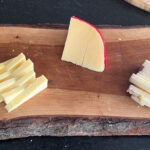
Pull your cheeses out of the fridge 30–45 minutes before guests arrive. You’ll be amazed at the difference — a properly tempered Brie becomes creamy and spreadable, and an aged cheddar develops rich, complex notes that disappear when it’s cold. The same logic applies to any rustic bread or crostini: a quick warm in the oven right before serving makes a world of difference.
Mistake #2: Using Low-Quality or Over-Processed Meats
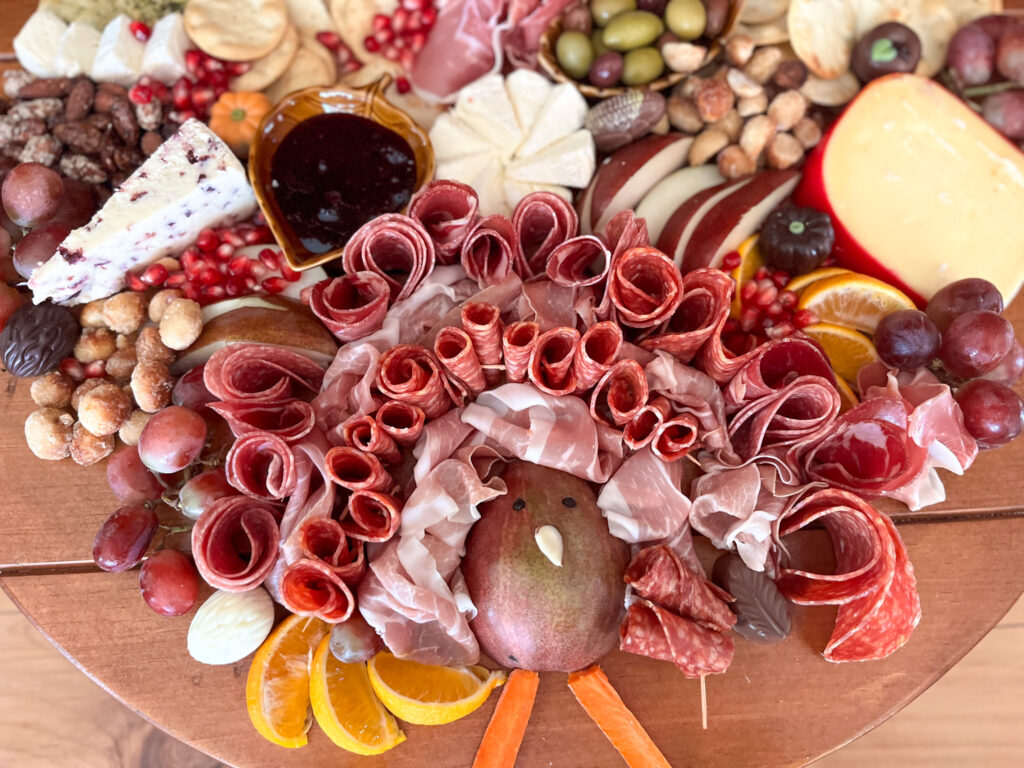
The word “charcuterie” literally refers to the craft of cured meats. When you reach for a bag of mass-produced deli pepperoni or pre-sliced packaged ham, you’re undermining the entire concept. Highly processed meats are typically loaded with sodium, preservatives, and artificial flavors, and they’re often greasy, uniformly rubbery, and flat in taste.
The Fix
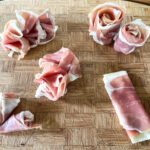
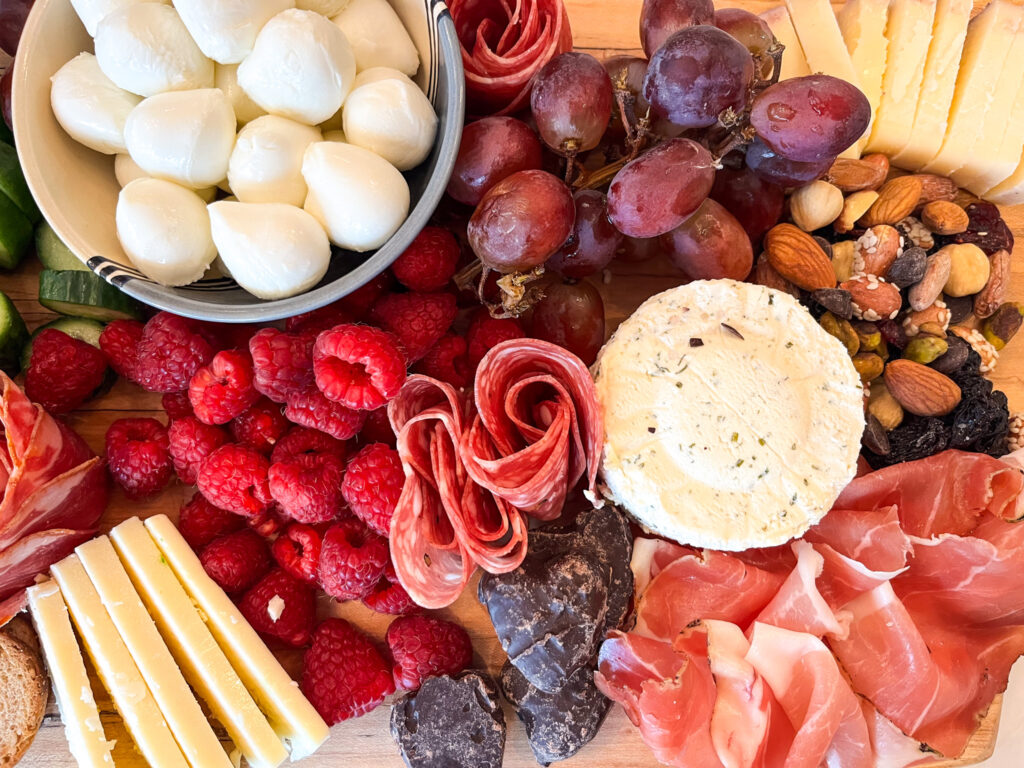
Source your meats from a reputable butcher, specialty deli, or Italian market. Look for options like Prosciutto di Parma, Spanish chorizo, soppressata, or bresaola, meats that rely on salt, spice, and time rather than chemicals. You don’t need a huge quantity; three thoughtfully chosen meats will outperform six mediocre ones every time.
Mistake #3: Forgetting About Moisture Control
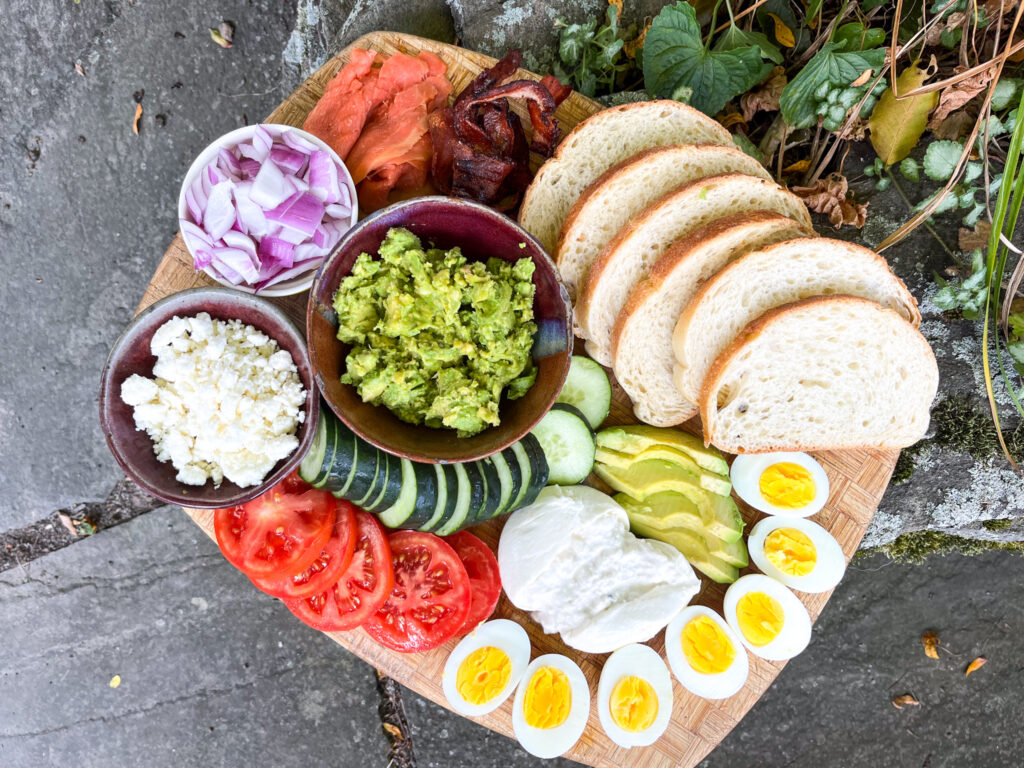
A beautiful board can be destroyed quickly by uncontrolled moisture. Juicy fruits, pickles, and fresh mozzarella are all delicious on their own, but their liquid can bleed into crackers, soften crusty bread, and make the whole board look soggy within minutes of setting it out. No one wants to eat crackers soaked in pickle juice!
The Fix
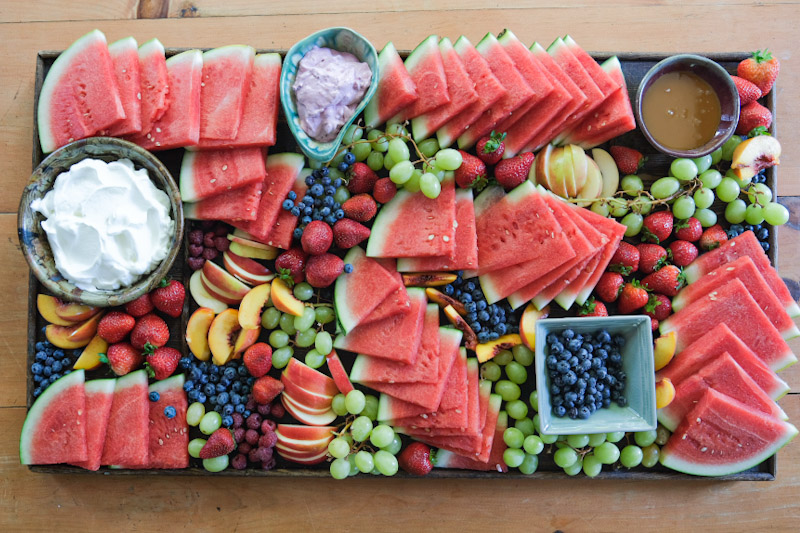
Use small ramekins or bowls to contain anything wet, olives, pickles, dips, and soft spreads. Pat fresh mozzarella or marinated vegetables dry with a paper towel before placing them. Stick to firmer fruits like apple slices, grapes, or dried figs rather than watery options like watermelon or overly ripe peaches. And always place wet items away from crackers and bread.
Mistake #4: Overcrowding (or Under-filling) the Board
There’s a paradox at the heart of charcuterie boards: too little and it looks sad; too much and it looks chaotic. Both kill the experience. An overcrowded board is hard to navigate, visually stressful, and often results in flavors clashing against each other. A sparse board signals low effort and leaves guests unsatisfied.
The Fix
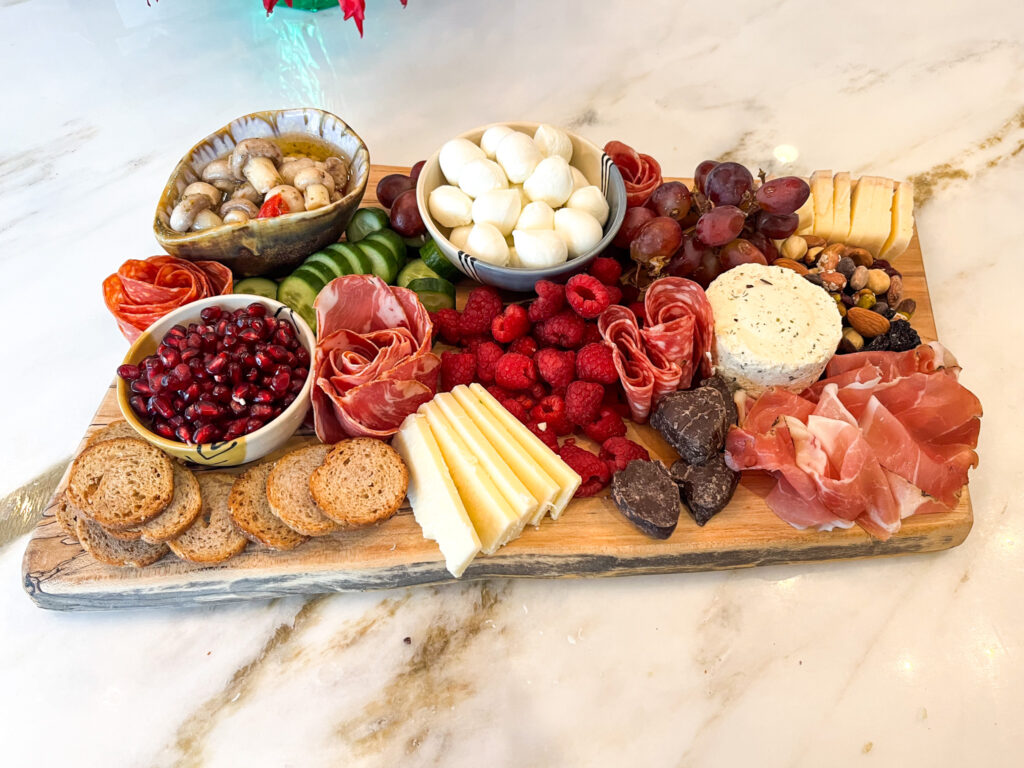
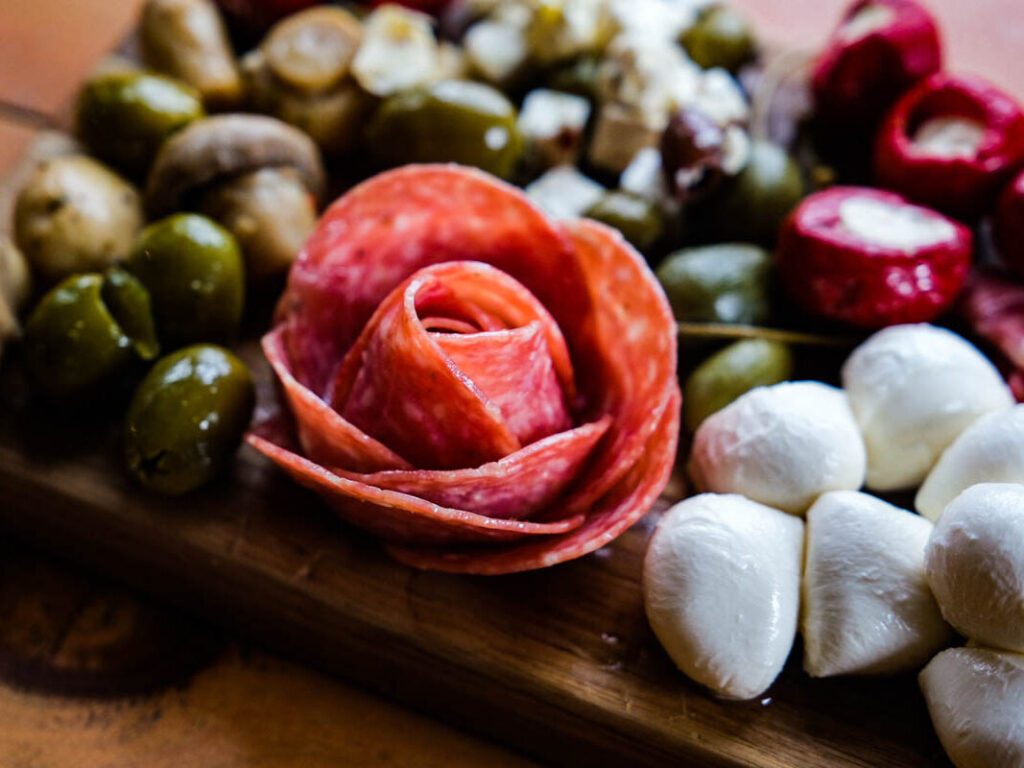
Follow the 3-3-3 rule as your baseline: three types of meat, three types of cheese, and three accompaniments (think one fruit, one nut, one spread). Then fill intentional gaps with crackers and garnishes. Leave small breathing spaces so each element can be seen and accessed easily. Group similar items together so the board has a clear, readable flow. Every bite should feel like it was designed, not accidental.
Mistake #5: Ignoring Flavor Balance
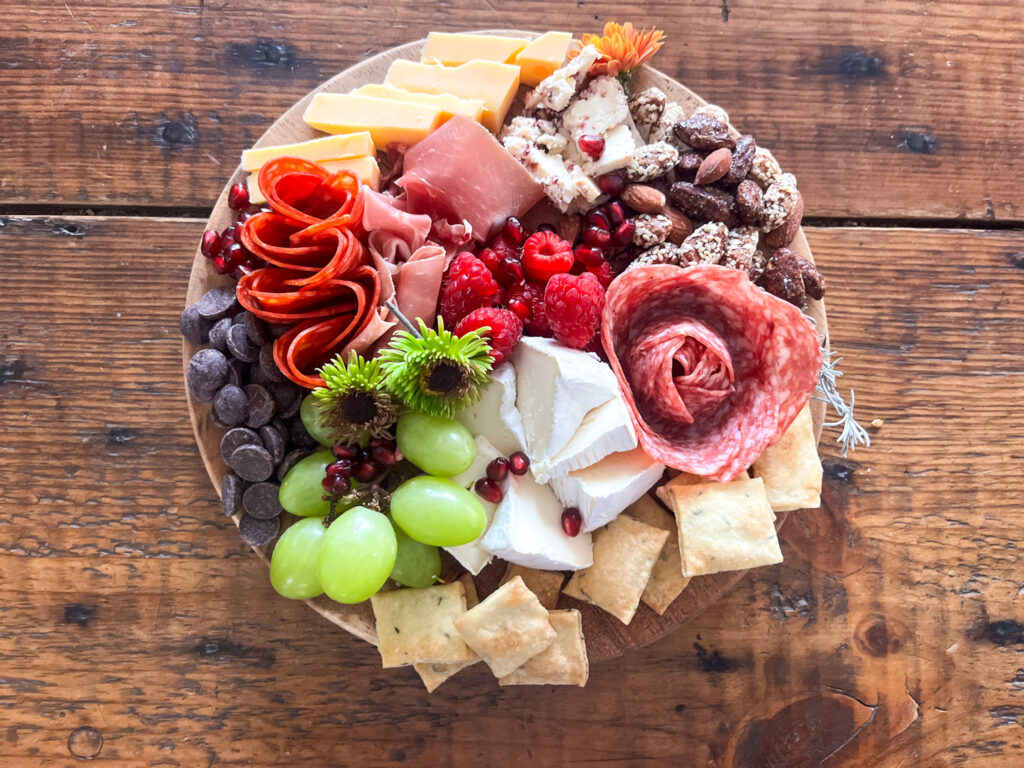
A charcuterie board isn’t just a collection of snacks, it’s a curated tasting experience. When every element is salty, heavy, or intense, guests hit a wall fast. On the other hand, when sweet, salty, tangy, creamy, and crunchy elements work together, the board becomes something people graze on for hours.
One of the most overlooked flavor mistakes is skipping condiments and spreads entirely. Honey, fig jam, whole-grain mustard, and chutneys are what elevate a board from “a plate of food” to a memorable spread. A dab of truffle honey on a wedge of pungent gorgonzola is a revelation. A smear of grainy mustard with soppressata is a perfect pairing.
The Fix
Think in contrasts. Pair salty prosciutto with sweet melon or honeyed walnuts. Balance a funky blue cheese with mild, creamy Havarti nearby. Offer cheeses that range from mild to sharp so guests can build their own flavor journey. Include at least two spreads or condiments — one sweet, one savory — and position them near complementary ingredients.
Bonus Tip: Don’t Forget Your Guests
Before you assemble, take 30 seconds to think about who’s eating. Nut allergies, gluten sensitivities, and vegetarian or vegan guests are increasingly common. A board that leaves someone unable to eat anything is a missed opportunity. Use small labels or separate sections for allergen-free items, and consider adding a plant-based cheese or gluten-free cracker option. Thoughtful hosting is as much a part of the experience as the food itself.
The Bottom Line
A truly great charcuterie board isn’t about quantity or complexity, it’s about intentionality. Temper your cheese. Source quality meats. Control moisture. Balance your flavors. Give the board room to breathe. Do those five things, and you’ll build boards that people talk about long after the last cracker is gone.
Ready to take your boards to the next level? Explore our guides on the best cheeses for a charcuterie board, and explore all our design tips.
Frequently Asked Questions
What are the most common charcuterie board mistakes?
The most common mistakes are serving cheese straight from the fridge, using low-quality processed meats, ignoring moisture control, overcrowding or under-filling the board, and neglecting flavor balance with spreads and condiments.
How long before serving should I take cheese out of the fridge?
Pull cheese out 30–45 minutes before guests arrive. This allows the fat to soften and flavors to fully develop, making even a simple cheddar taste noticeably more complex.
What is the 3-3-3 rule for charcuterie boards?
The 3-3-3 rule is a helpful guideline: include three types of cured meat, three types of cheese, and three accompaniments (such as one fruit, one nut, and one spread). This creates a balanced, well-rounded board without overwhelming guests or creating flavor chaos. Take it another level with one more 3!
How do I prevent my charcuterie board from getting soggy?
Use small bowls or ramekins for wet items like olives, pickles, and dips. Pat moist ingredients dry before placing them on the board. Choose firm fruits over juicy ones, and always keep crackers and bread away from anything that releases liquid.