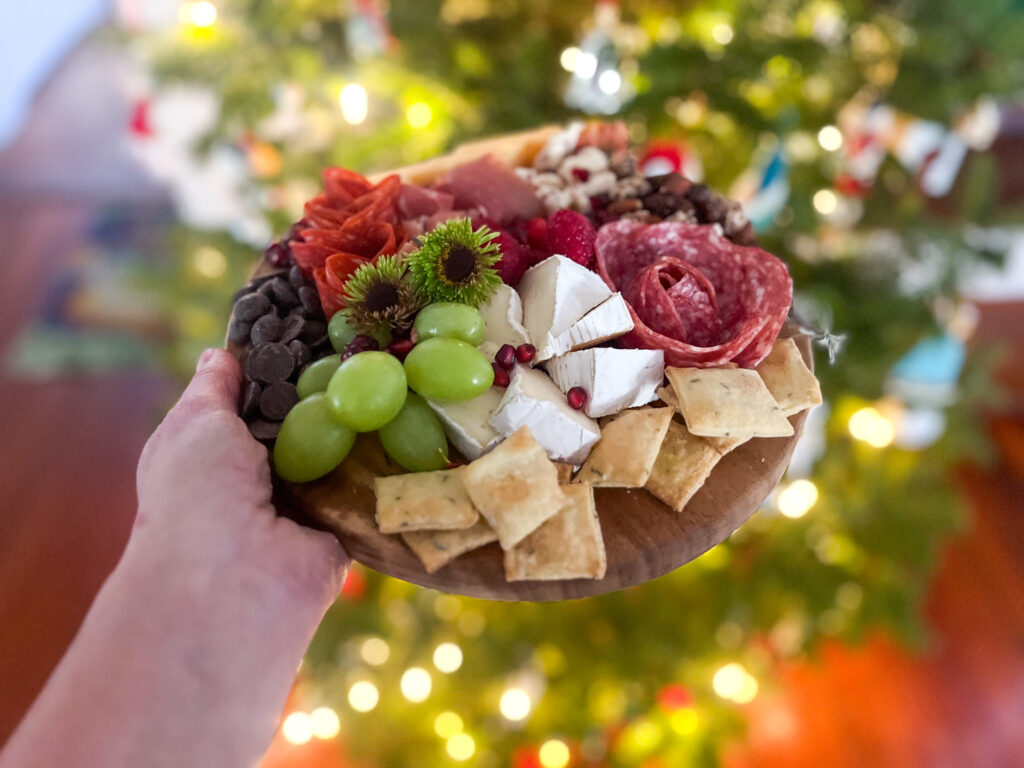
Charcuterie board parties have taken the hosting world by storm, and for good reason. These gatherings are the perfect blend of creativity, community, and delicious food. There are actually a few different ways that you can host a charcuterie board party. One on my favorite ways is for everyone to bring a board. Instead of one person preparing all the snacks, charcuterie board parties invite everyone to contribute, turning the food into both a conversation starter and a centerpiece.
One fun twist that’s gaining popularity? Everyone brings a board. From classic meat and cheese spreads to dessert platters, brunch bites, or themed snack trays, each guest shows up with their own creation to share. It’s interactive, low-stress, and endlessly customizable.
Whether you’re planning a laid-back evening with friends, a festive holiday get-together, or a birthday celebration, a bring-your-own-board party is a fun and memorable way to gather, and graze: together.
Below I’ll share exactly how to host an ‘Everyone Brings a Board Charcuterie Party’
You might also like How to host a EVERYONE MAKES A BOARD PARTY.
Hi, I’m Gretchen - creator of Amazing Charcuterie Boards. I help home hosts and beginners create beautiful, stress-free charcuterie boards with simple rules, realistic portions, and easy styling techniques.

If you’re planning your next board, you may also find these helpful:
→ Charcuterie Board Portion Calculator
→ How to Design a Charcuterie Board (simple rules & layouts)
→ The Best Charcuterie Board Pairings

Want more board ideas and planning guides? Join my free newsletter here or search ideas.
Planning Your Charcuterie Board Party
Choose a Date, Time & Location
First things first: nail down the logistics. Charcuterie board parties work beautifully both indoors and outdoors, so think about your space and what will feel most welcoming. A long dining table, a kitchen island, or even a patio can all become the perfect grazing spread.
Timing-wise, these gatherings shine as evening affairs — think early evening so the food becomes dinner — or as a relaxed weekend brunch. Just make sure your guests have enough lead time to prepare their boards with a little creative thought.

Set a Theme (Optional)
Themes aren’t required, but they add a delightful layer of fun and cohesion. Some crowd-pleasing ideas:
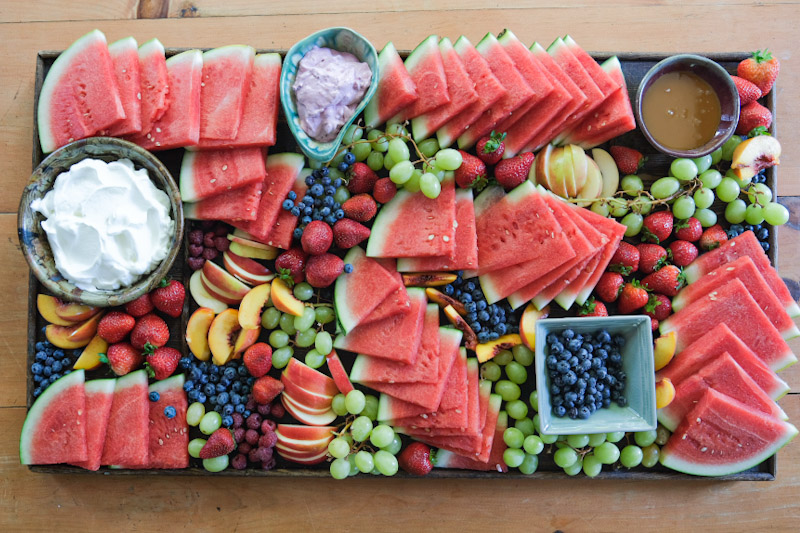
Seasonal: A fall harvest theme with warm spices, figs, and nuts; a bright summery spread with fresh berries and watermelon; or a holiday party dressed in red, green, and gold.
Color-based: A rainbow board challenge or an all-monochrome white board can look absolutely stunning arranged together.
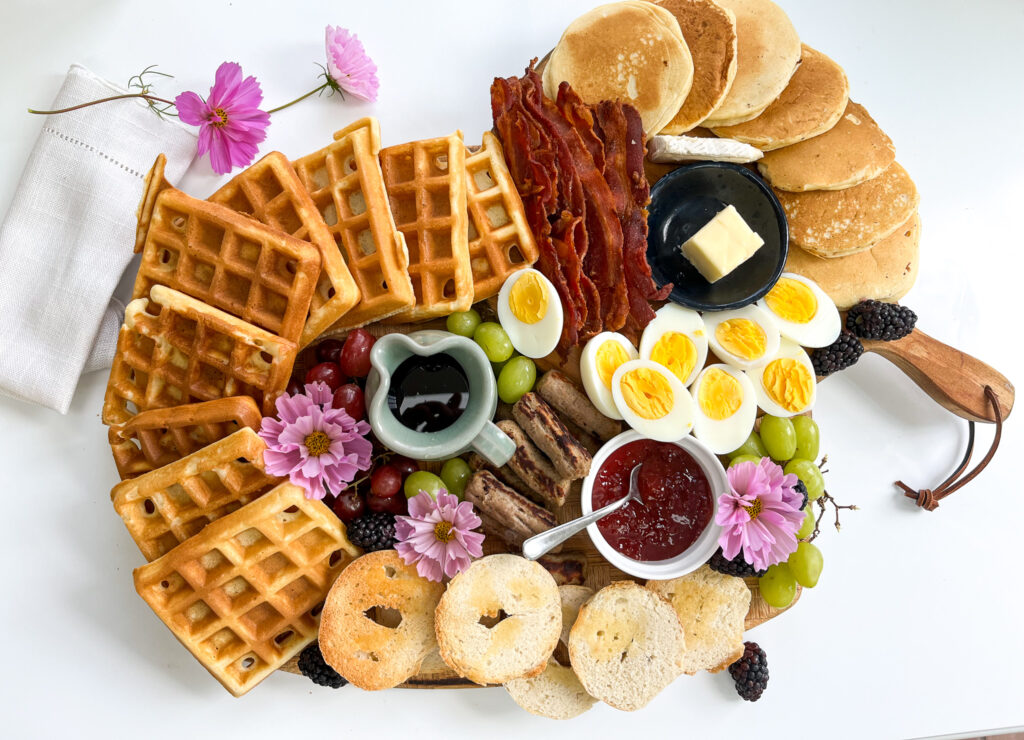
Cuisine-based: Mediterranean, brunch-inspired, dessert-only, or an international potluck where every guest represents a different country.
Pro tip: If you go theme-free, guests still naturally gravitate toward complementary ingredients, you may be surprised at how cohesive the spread looks!
Create Your Guest List
Think about how many boards will realistically fit on your table or display space. For a cozy gathering, 6–10 guests is a sweet spot. For a larger party, consider setting up multiple board stations around the room so the grazing feels natural and uncrowded.
Setting Expectations for the Boards
Assign or Let Guests Choose Board Types
When you send out invitations, give guests a general framework. You can either assign a board category to each person or let everyone choose freely. If you want to avoid three people all showing up with a classic meat-and-cheese board, a simple sign-up sheet — even just a group chat — works perfectly.
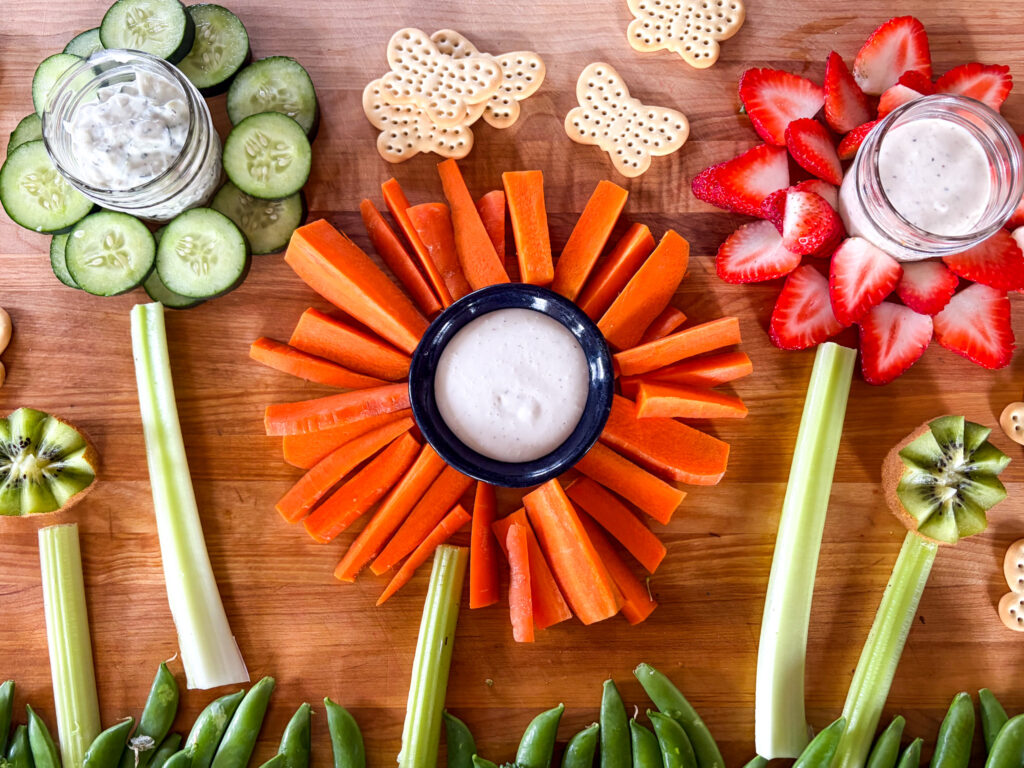
Some ideas to inspire your guests: savory boards, sweet boards, vegan or plant-based boards, regional cuisine boards, brunch boards, dessert boards, and even drink-based boards like a wine pairing tray or a Bloody Mary build-your-own board.
Communicate Guidelines
A little communication upfront saves a lot of confusion on the day. Let guests know roughly how large their board should be (a small wooden board or large plate works for smaller gatherings; a full charcuterie board feeds a crowd), and encourage them to bring their own serving utensils and tongs if possible. If any guests have dietary restrictions or allergies, flag these in advance so everyone can plan accordingly.
Encourage Creativity
Remind your guests that there are no rules. Unique ingredient combinations, decorative flourishes like fresh herbs or edible flowers, and unexpected presentations are all part of the fun. The quirkier, the better — the boards that get talked about most are never the ones playing it safe.
Preparing Your Space
Plan the Layout
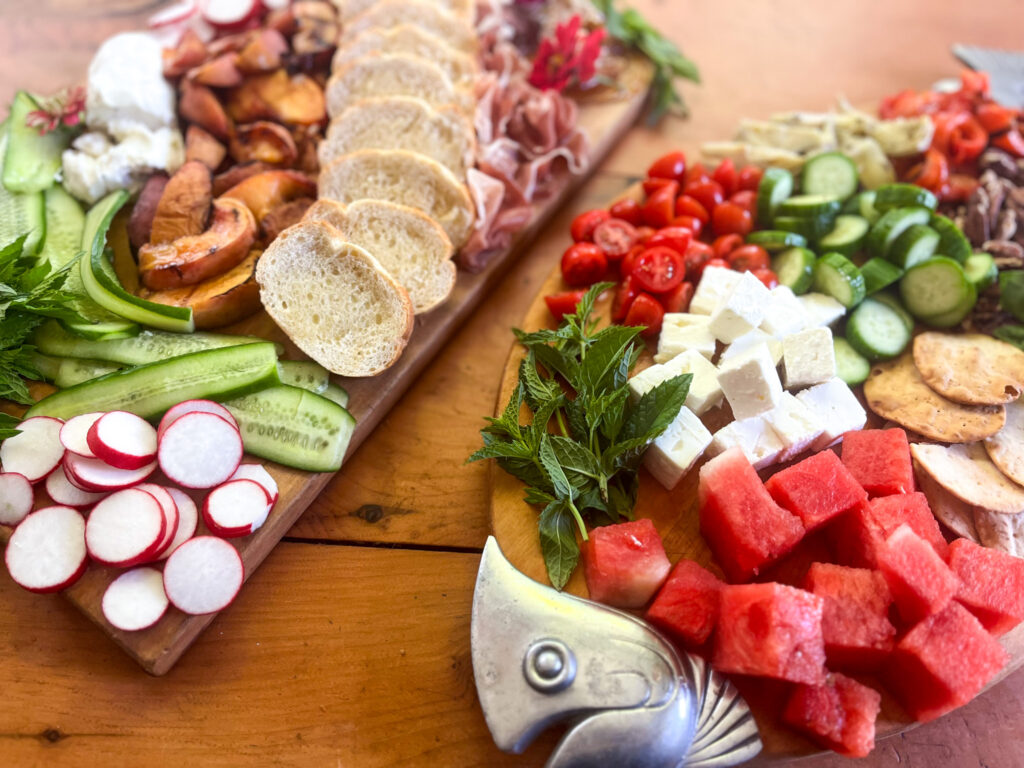
The way the boards are displayed makes a huge difference. A long table works beautifully for a flowing grazing setup, while a kitchen island creates a natural social hub. If you have multiple boards, use varying heights — cutting boards, wooden risers, stacked books under a cloth — to create a visually dynamic spread that looks intentional and styled.
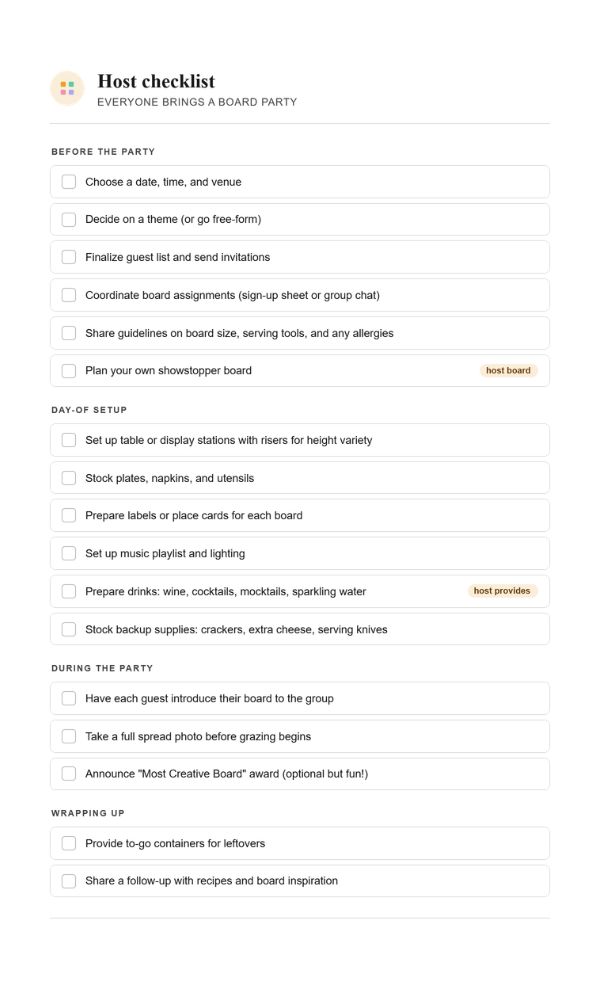
Provide the Essentials
As the host, it’s your job to make sure the practical details are covered. Stock up on small plates, napkins, extra serving utensils, and toothpicks. Make labels or small place cards for each board — include the guest’s name and a short description of what they brought. These little details help guests navigate the table and spark conversation.
Set the Atmosphere
Think beyond the food. A well-curated playlist, some ambient lighting (candles or string lights are perfect), and simple decorations that match your theme will transform the whole feel of the party. The boards are the stars of the show — your décor just sets the stage.
What to Bring as the Host
Your Own Showstopper Board
Don’t let your guests do all the cooking! As the host, bring your own board — ideally one that anchors the theme or beautifully complements what others are bringing. This is also a great opportunity to fill any gaps: if no one signed up for sweets, make it a dessert board. If the table is heavy on savory, bring something bright and fresh.
Drinks & Beverages
While your guests handle the food, the host typically covers the drinks. A well-chosen selection of wine, a signature cocktail or mocktail, and plenty of sparkling water is all you need. Want to go the extra mile? Put together a simple drink-pairing board — think wine, cheese accompaniments, and tasting notes — as your own contribution to the spread.
Backup Supplies
Things happen, a guest cancels, a board is smaller than expected, someone forgets crackers. Keep a stash of backup crackers, bread, a block of cheese, some extra napkins, and a few additional serving knives on hand. You’ll rarely need them, but you’ll be very glad they’re there when you do.
Charcuterie Board Ideas for Guests
Search charcuterie board ideas.
- Classic Meat & Cheese Board
- Brunch Board (bagels, smoked salmon, fruit)
- Dessert Board (cookies, fruit, chocolate)
- Mediterranean Board (hummus, olives, pita)
- Vegan Board
- Kids’ Snack Board
- S’mores Board
- Themed Boards (Halloween, Christmas, Taco Night, etc.)
- Regional Boards (Italian, French, Southern, etc.)
- Beverage Boards (Bloody Mary, Wine & Cheese, Coffee Board)
During the Party
Let Guests Introduce Their Boards
Once everyone has arrived, give each guest a moment to introduce what they brought. This doesn’t need to be formal — even a quick “I made a Tuscan-inspired board with prosciutto, fig jam, and truffle honey” gets the conversation flowing and helps guests know what they’re eating. It’s one of the most charming parts of the evening.
Encourage Sampling & Mingling
Grazing tables are social by nature. People move around, revisit favorites, and strike up conversations over shared bites. Lean into this — resist the urge to have a formal sit-down dinner structure, and let the table do the work. The food is the party.
Take Photos & Make Memories
Before anyone starts grazing, gather everyone for a photo of the full spread — it’ll be stunning, and you’ll want to remember it. Throughout the night, encourage guests to snap their own photos too. If you want to inject a little friendly competition, announce an award for “Most Creative Board” at the end of the evening. Even a silly paper certificate makes people light up.
Wrapping Up
- Provide To-Go Containers (Optional): Charcuterie boards tend to produce glorious leftovers. Having a stack of small to-go containers or zip-lock bags on hand is a thoughtful touch that guests will really appreciate — especially for items like specialty cheeses, cured meats, or homemade dips that they might not have at home.
- Share Recipes & Board Ideas: After the party, keep the good vibes going by setting up a group chat or sending a follow-up email where guests can share their board recipes and sourcing tips. It’s a lovely way to extend the gathering and give people ideas for the next one. Before you know it, you’ll have a whole community of board enthusiasts in your circle.